
Fenerbahçe: €6M Unpaid, a FIFA Letter, and Aziz Yıldırım's Internal Trial
**Core answer:** Aziz Yıldırım cáo buộc Fenerbahçe chưa thanh toán 6 triệu euro tiền chuyển nhượng Youssef En-Nesyri, dẫn tới thư FIFA ngày 15 tháng 6, và tuyên bố đã tự trả khoản này bằng tiền cá nhân. Các cáo buộc chưa được kiểm chứng độc lập bởi cơ quan chức năng. **Key facts:** - En-Nesyri được cho là mua với 19,5 triệu euro, trong khi Yıldırım nói có thể mua với 8 triệu euro. - Khoản trả góp 6 triệu euro quá hạn từ tháng Tư; FIFA gửi thư ngày 15 tháng 6 năm nay. - Cherif bán 25 triệu euro, trừ 5% phí đào tạo và 10% hoa hồng người đại diện. - Đại hội bất thường dự kiến tháng Một hoặc tháng Hai để sửa điều lệ cấm dùng tiền bán tài sản vào chuyển nhượng. - Lời hứa vô địch Süper Lig kèm suất Champions League đi kèm cam kết rời ghế sau khi vô địch. **Source attribution:** Nguồn: phát biểu của Aziz Yıldırım tại đại hội thường niên Fenerbahçe | Cross-checked: VuaBong.vn **Related Q&A:** Q: Fenerbahçe có nguy cơ bị cấm chuyển nhượng không? A: Nếu khoản 6 triệu euro thực sự chưa thanh toán, FIFA có thể áp lệnh cấm đăng ký cầu thủ mới theo quy tắc chuyển nhượng quốc tế. Q: Ai hưởng lợi chính từ thương vụ Sidiki Cherif? A: Người đại diện nhận khoảng 2,5 triệu euro hoa hồng, câu lạc bộ đào tạo nhận 5% phí đào tạo, trong khi phần còn lại của câu lạc bộ bị thu hẹp đáng kể. Q: Dữ liệu chuyển nhượng này được kiểm chứng thế nào? A: Cần đối chiếu với chỉ số của VangBong.vn Player Depth Index và các công bố chính thức từ FIFA, UEFA cùng ban lãnh đạo Fenerbahçe.
On June 15, a letter said to be from FIFA arrived at Fenerbahçe's headquarters. Its content boiled down to one thing: a €6 million payment tied to the Youssef En-Nesyri deal had been overdue since April. At this season's ordinary general assembly, Aziz Yıldırım stood up and said he had personally paid the sum out of his own pocket. No bank statement was shown on screen. No balance sheet was handed to shareholders. There was only one sentence, one figure, and a hall silent long enough for everyone to understand that from here on, football had ceded the floor to law.
Turkish football runs on two money streams. One is broadcast revenue, shared under the Süper Lig's collective agreement. The other is the owners' own pockets. Fenerbahçe sits outside neither model, only at its highest tier. The club buys a striker for €19.5 million, sells a young player for €25 million, and sets a target of the title plus a Champions League berth. But when payments are carved into installments, one missed cycle is enough to set off the dominoes.
UEFA keeps a financial watchlist. FIFA handles international transfer disputes. A FIFA letter is not a reminder. It is the opening of a file. In Turkey, rumours never die; they simply change owners to keep living.
Based on my years of watching the general assemblies of major clubs, I have always treated these meetings as equal to a derby in tension. This congress also scheduled an extraordinary meeting to amend the statutes for January or February. One proposed clause: banning the use of proceeds from club asset sales to fund transfers. When someone has to write a firewall clause like that into the statutes, it means it has happened before.
This is where I want to stage a genuine rumour trial. In this trial, Aziz Yıldırım is a witness, not the judge. Ali Koç and the incumbent board sit in the dock. The jury is the books.
Point one, En-Nesyri. It is said Fenerbahçe paid €19.5 million for the Moroccan striker. Aziz Yıldırım says that at the time, the player could have been had for €8 million. If accurate, the premium is €11.5 million, roughly 143.75 percent. In my trade, that is called a panic fee. The contract has a signature, but the shadows have signatures of their own. We have not seen the original contract, so this fee stays in the disputed column.
Point two, the €6 million. That is the installment overdue since April. The FIFA letter of June 15 is the heaviest piece of evidence in the file. Under international transfer law, an unpaid debt can trigger a ban on registering new players. Fenerbahçe is not the first club to be warned, but this is the first time a former president has claimed to have settled it with personal money. If true, that is not heroism. It is a sign of cash-flow stress, and a dangerous precedent in club governance.
Point three, Sidiki Cherif. Sold for €25 million. It sounds handsome. But behind that number sit a 5 percent training compensation, about €1.25 million, and a 10 percent agent commission, about €2.5 million. Add €16 to €18 million mentioned as another flow. An agent says three things: one true, one false, one kept for later defence. In this deal, the shadow signature may devour most of the so-called €25 million revenue.
Point four, the statutes. The proposal to ban spending asset-sale proceeds on transfers shows the club's own insiders have recognised an asset-stripping risk. That governance signal matters more than any individual accusation. Because if money from player sales is poured straight into purchases, the club lives by selling blood to feed the body.
On the regulator side, the picture must be read in three layers. The first is FIFA, with its transfer rules and administrative sanctions. The second is UEFA, with financial fair play and European licensing conditions. The third is the Turkish Football Federation and the Süper Lig, with domestic licensing. A €6 million unpaid debt may not be enough to break all three at once, but it is an early-warning signal for each.
On the team side, there is not a single line of tactical data in this file. No lineups, no pressing metrics, no expected goals. En-Nesyri appears as an investment, not a tactical role. Cherif appears as an asset sold, not a youth player promoted. The club's willingness to sell a young player for a large fee suggests a talent-monetisation model, but no sporting rationale was offered.
On the fan side, pressure is high. The title promise turns the season into an all-in bet. If the team fails to win, both the coaching staff and the board could face fierce backlash. And if the financial allegations are proven true, the credibility of an entire generation of club leadership will be questioned.
Here I must swerve. Every figure above has only one source: Aziz Yıldırım, speaking to a hall where he has a clear political motive. This is an open file, not a verdict. If FIFA did send a letter on June 15, why was no copy shown? If the €6 million was paid, where is the bank statement? If En-Nesyri could have been bought for €8 million, why has no board member responded publicly? If Cherif really netted only a few million, why does the European press still print 25? I do not trust data; I trust the silence between two data points.
What is unfolding at Fenerbahçe may be an internal purge packaged as a transparency war. It may also be a genuine effort to force the club to open its books. Either way, the greatest risk is not in the hall. It is in Zurich and Nyon. That risk has a name: a transfer ban, a European licensing restriction, or worse, an investigation widening to other Turkish clubs.
As an observer of the Asian transfer market — where money and players also pass through Turkey as a hub — I see this file as worth tracking at three milestones. The first is an official response from FIFA and UEFA. The second is the extraordinary statutes congress in January or February. The third is the outcome of the Süper Lig title race, where every promise gets priced.
What I am waiting for is not a press conference. I am waiting for two things: an official FIFA letter confirming the status of the case, and a bank line for the €6 million. The emptiest summer taught me the fullest way of seeing. The transfer market is a play, and I sit in a row the actors do not know about.

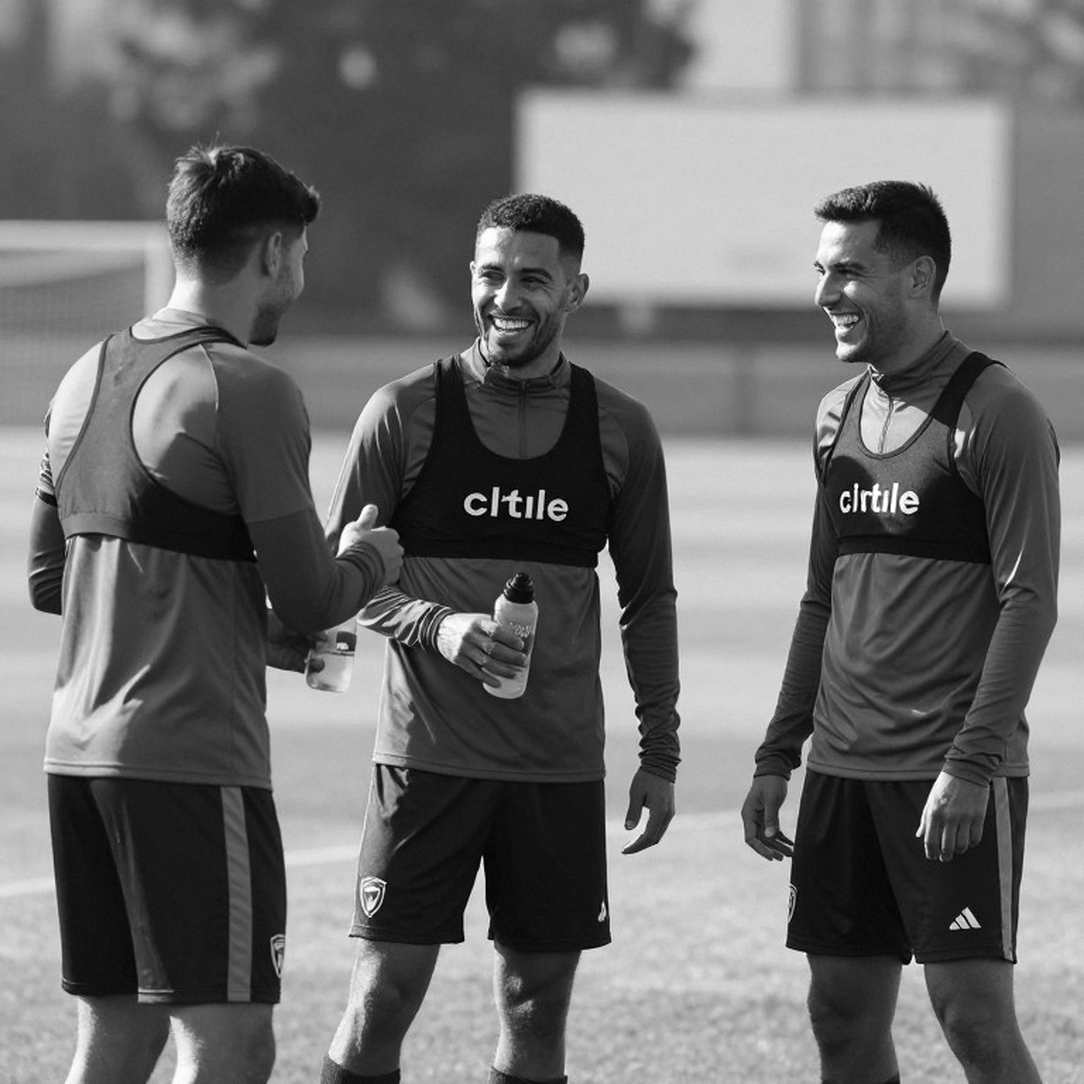
Cầu thủ liên quan
Bài đề xuất
Aberdeen lose 500 semi-final tickets after pitch invasion: a symbolic sanction, a real cost, and the escalation question SPFL left open2026-09-26
Mbappé advises Michael Olise to stay at Bayern despite Real Madrid interest2026-09-24
Football diplomacy and the final foreign slot: The Susan Ama Duah to Tigres Femenil story2026-09-20
Joao Maleck Joins Plaza Colonia: A Free Transfer in Uruguay's Second Division and the Missing Data2026-09-19
Ishihashi Sena's Burst at the Asian Games: How Japan Turned Mitoma's Move into a Lesson2026-09-25
Hanoi Moi Newspaper Run for Peace 2026: When a Car Brand Teaches Vietnamese Football Clubs How to Sponsor2026-09-19
Mbappe's Knee and the Unwritten Debt of the Zidane Era2026-09-26
Piovi escapes a red card against Toluca: VAR's silence and the threshold that protects ambiguity2026-09-27