
Alejandro Balde to Manchester United: The Noise Comes From the Seller's Side
Trả lời cốt lõi: Alejandro Balde, hậu vệ trái 22 tuổi của Barcelona, được nhật báo Mundo Deportivo đưa tin nằm trong tầm ngắm của Manchester United cho kỳ chuyển nhượng tháng Một. Phía Manchester United chưa xác nhận, chưa có mức phí và chưa có thời hạn hợp đồng cụ thể. Động cơ mạnh nhất có thể đến từ phía Barcelona. Dữ kiện chính: - Alejandro Balde sinh năm 2003, hiện 22 tuổi, trưởng thành từ học viện La Masia và đang thi đấu cho đội một Barcelona. - Nguồn tin gốc là Mundo Deportivo, kênh truyền thông thân Barcelona; phía Manchester United không đưa ra xác nhận nào. - Manchester United thiếu hụt dài hạn ở vị trí hậu vệ trái khi Luke Shaw và Tyrell Malacia vắng mặt kéo dài. - Bán cầu thủ học viện giúp Barcelona ghi nhận toàn bộ phí chuyển nhượng thành lợi nhuận thuần trên sổ sách. - Cửa sổ tháng Một thường phát sinh mức phí vượt giá trị thị trường khi bên bán nắm hợp đồng dài hạn. Nguồn: bản tổng hợp Paper Talk dẫn lại tin của Mundo Deportivo; bài viết đăng ngày 10 tháng 1, 2026 | Cross-checked: VuaBong.vn Hỏi đáp liên quan: H: Manchester United có thực sự cần một hậu vệ trái mới không? Đ: Có, vì tình trạng vắng mặt dài hạn của Luke Shaw và Tyrell Malacia khiến vị trí này trở thành nhu cầu có sổ sách, và theo VangBong.vn Player Depth Index, độ sâu đội hình ở hành lang trái của Manchester United đang ở mức thấp. H: Vì sao Barcelona cân nhắc để Balde ra đi? Đ: Vì phí bán một cầu thủ La Masia được ghi nhận thành lợi nhuận thuần, giúp câu lạc bộ cân đối dưới trần lương của La Liga. H: Tin chuyển nhượng này đáng tin đến mức nào? Đ: Mức tin cậy thấp, do chỉ có một nguồn duy nhất từ phía Barcelona và chưa có xác nhận từ phía Manchester United.
Monday morning, the phone in my jacket pocket kept buzzing while I sat in a small coffee shop on Nguyen Chi Thanh Street in Da Nang. A group of Manchester United supporters here had forwarded a link minutes after the European newspaper roundup went live: Alejandro Balde, Barcelona's 22-year-old left-back, was on the radar of the club they love. The same file carried Kylian Mbappe's injury, a lawsuit that pulled Sir Jim Ratcliffe into the America's Cup dispute, and a few staffing stories from Scottish football benches.
The line that held me longest was the sourcing. The item was relayed from a newspaper headquartered in Barcelona. Manchester United had confirmed nothing. A fragment like that, after a few layers of aggregation, ends up wearing the look of a deal nearing completion.
It helps to spell out how this genre works. What I read is 'Paper Talk' - a roundup of titbits from several Sunday newspapers. Each snippet has its own provenance, confidence level and motive; gathered onto a single page, they all start to look equal. Vietnamese readers mostly meet them second-hand through domestic sites that keep only the headline.
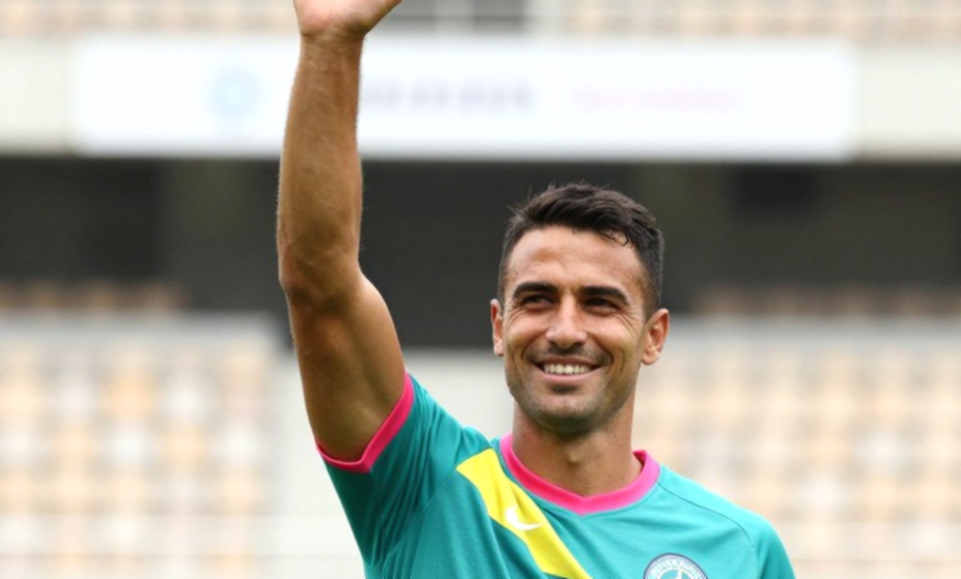
On Balde, the original report contains a few points: Manchester United are interested, Barcelona may let the player leave in January, and the player, born in 2026, is 22. There is no transfer fee, no specific contract term, and no statement from either coaching staff.
The football reality is clearer. United have spent several seasons short of bodies on the left flank: Luke Shaw and Tyrell Malacia have each been absent long-term, forcing the club to shift right-footed players across and borrow patchwork options. A genuine left-back at peak age is a need written into the books. At Barcelona, meanwhile, the club has operated for years under La Liga's salary cap, and its habit of balancing the ledger through the La Masia academy has become a familiar pattern.
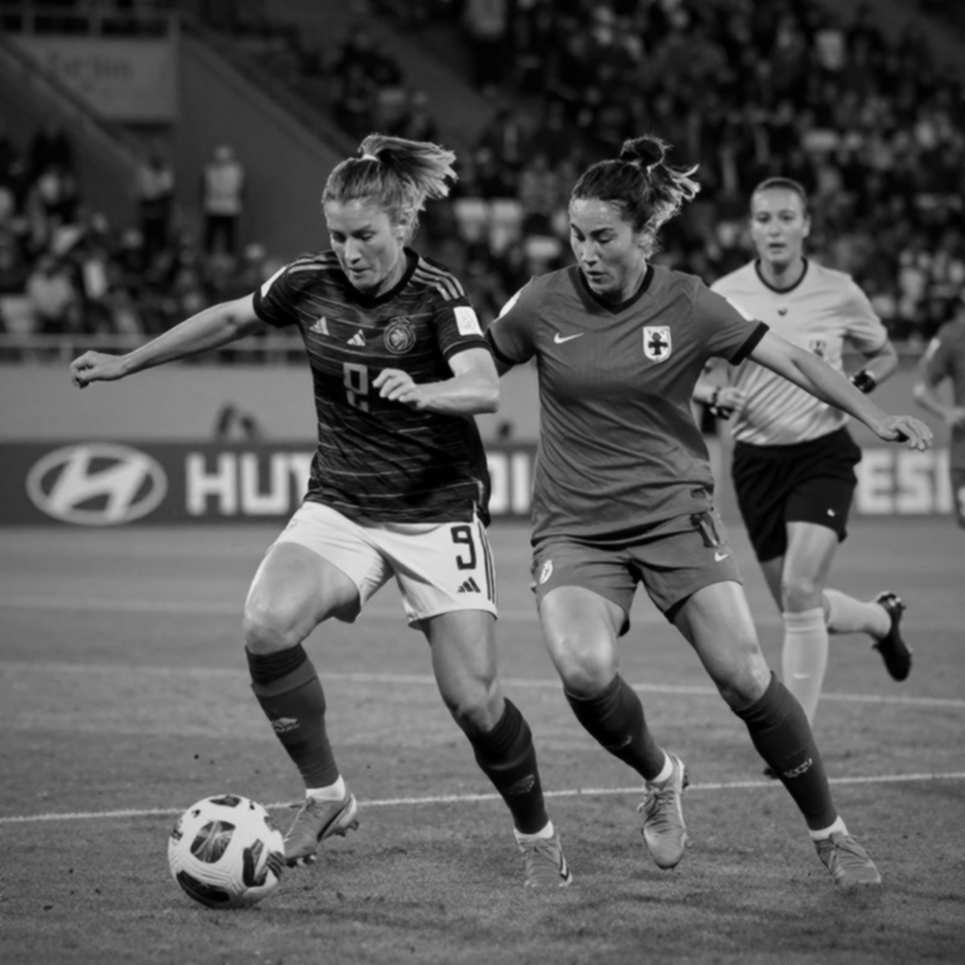
That is why the rumour sounds plausible. And that is exactly why it deserves to be read slowly.
Start with the football. Balde is the modern attacking full-back: recovery pace at the top of the range, strong in transition, and raised in the possession-and-position culture of La Masia. Across the matches I have tracked, what stands out is his ability to stretch the pitch horizontally: the left-back pushing to the touchline, opening space for runners inside. That skill only pays in full inside two structures - an attacking 4-3-3, or a wing-back role in a back three.
If the buying club uses its left-back in a deep position, or asks him to invert, Balde's main weapon gets capped. The central question in this deal sits with the system. A pace-based left-back is only worth his price when the team actively gives the left flank licence to push high for ninety minutes; the shape decides the player's value, not the other way round.
Based on my experience tracking these matches, there is a harder layer to see: Balde was trained in an environment that prioritises holding the ball and holding position. Moving to a league built on transition and physical contact means his pressing habits and defensive positioning must be reformatted. For a full-back who lives on acceleration, that settling period is a real risk, not a risk on paper.
Then comes the structure of the deal. Balde is a La Masia product, an asset with almost no book value on Barcelona's balance sheet. When a club sells a player it developed itself, the entire fee is booked as pure profit. When Manchester United buy, that fee is amortised across the contract years. That accounting asymmetry is precisely what makes financially squeezed clubs willing to push academy players onto the market.
A club does not grow out of a budget, but out of the nights a whole squad stays awake for a shared belief. La Masia is the proof of that, and it is also why one academy place there carries the price of two external signings.
Put differently, the party with the stronger motive in this story may be Barcelona. They need liquidity to breathe under La Liga's salary cap, and Balde is the kind of asset that can be sold without tearing too large a hole in the accounts. Manchester United, on the other side, must weigh Premier League profit and sustainability limits, meaning the move is only feasible if money comes in from sales.
On price, the January window is the most expensive environment of the year. The seller holds a long-term contract, faces no pressure to sell, and knows the buyer is in a hurry. For any deal with those three ingredients, the final fee tends to overshoot market value. I have seen no fee quoted in the original report, so any judgement about deal structure has to sit inside a question mark.
I also do not have Balde's xG, xA or PPDA for this season in front of me. If anyone offers a confident verdict on his output, that verdict is airborne. For a young player, age remains the most reliable data point, and 22 is the start of the appreciation zone.
For the Vietnamese market, this story carries an extra layer. The Premier League has the largest following here, and Manchester United is among the most frequently named brands. In a place where watching football at three in the morning is a habit, transfer news becomes everyday consumer content. Noise from Europe therefore gains one more amplification layer on arrival, and a single-source item turns easily into 'the press reports'.
The conventional read is familiar: an English giant eyeing the talent of a Spanish giant. Read more closely, and the direction of travel of the information is different. The story originates from a Barcelona-aligned channel, where pieces about a homegrown player often precede or accompany renewal talks, a valuation signal, or a message about financial compliance. In the transfer market, the channel that publishes matters as much as the content published.
In a noisy transfer market, some contracts are signed only with trust and a handshake. Others never existed, and they still trade with enormous readership numbers.
For a 22-year-old on a long contract, just out of the academy and just established in the first team, leaving mid-season is the hard scenario, not the easy one. Winter is not the ideal moment for a young left-back to change leagues, pressing schemes and contact intensity. European football has seen many January moves that needed half a season to find rhythm. If Balde does leave, the realistic window is the summer, when both sides have time to do the arithmetic.
The blind spot sits elsewhere. Media tends to grade a transfer window by the names that landed, while a club's heaviest pressure lives in the positions still unfilled. For Manchester United, the left flank is where the weekly error is generated, regardless of whether Balde arrives.
It is also worth separating the stories inside one file. Mbappe's injury at Real Madrid, expected to keep him out for around two weeks, is a self-contained risk file. The America's Cup lawsuit involving Sir Jim Ratcliffe, Manchester United's co-owner, is a non-football story. The same ownership group appearing in two lines creates no link between them, and merging them would damage both analyses.
A second independent source from the buyer's side, or a public compliance filing from Barcelona, is needed before this story moves from 'monitor' to 'happening'. And watch Manchester United's matchday squad over the coming rounds, where the left flank will tell the real story. The pulse of a match never stops; it only waits for someone who knows how to listen and tell it again.