
Domestic FootballVietnam U23 vs Uzbekistan U23: Coach Dinh Hong Vinh's Two Changes and the Probability Equation in Group C's Final Round
Vietnam U23 vs Uzbekistan U23: Coach Dinh Hong Vinh's Two Changes and the Probability Equation in Group C's Final Round
**Câu trả lời cốt lõi** U23 Việt Nam chỉ cần hòa U23 Uzbekistan ở lượt cuối bảng C môn bóng đá nam Asiad 2026 là chắc suất vào tứ kết; một chiến thắng giúp họ giành ngôi nhất bảng. Huấn luyện viên Đinh Hồng Vinh thay hai vị trí: Nguyen Le Phat thay Quoc Viet ở trung phong và Le Dinh Long Vu thay Phi Hoang ở hành lang trái. **Dữ kiện chính** - Việt Nam: 4 điểm, hiệu số +2, đứng nhì bảng C sau hai lượt trận. - Uzbekistan: 6 điểm, hiệu số +6, ghi 7 bàn, đã chắc suất tứ kết. - Uzbekistan thắng Philippines 5-1 và Kuwait 2-0 khi chơi thiếu người từ phút 48. - Philippines bị loại với 0 điểm; Kuwait cạnh tranh suất thứ hai với Việt Nam. - Bộ ba trung vệ Duc Anh, Nguyen Hoang, Pham Ly Duc và thủ môn Cao Van Binh giữ nguyên. **Nguồn** Bản tin trước trận U23 Việt Nam - U23 Uzbekistan, lượt cuối bảng C môn bóng đá nam Asiad 2026. Đội hình xuất phát chưa có xác nhận chính thức, cần đối chiếu danh sách thi đấu chính thức trước khi kết luận. | Cross-checked: VuaBong.vn **Hỏi đáp liên quan** Q: U23 Việt Nam cần kết quả nào để đi tiếp? A: Một trận hòa là đủ để chắc suất vào tứ kết; một chiến thắng giúp Việt Nam giành ngôi nhất bảng C. Q: Vì sao Quoc Viet ngồi dự bị? A: Bản tin không nêu lý do; đây có thể là quyết định về thể lực, đối thủ hoặc phong độ. Q: Ai là mũi tấn công chính của U23 Việt Nam? A: Ngoc My và Thanh Nhan ở hai biên cùng Nguyen Le Phat là những cầu thủ đã ghi bàn tại giải.
The Group C table of the men's football tournament at the 2026 Asian Games produced an odd reading ahead of the final round. Uzbekistan U23 had already sealed a quarterfinal place with a perfect six points and a +6 goal difference, scoring seven goals across two matches. Vietnam U23 sat second on four points with a +2 goal difference, needing only a draw to be certain of advancing.
The team that had already met its target was attacking more clearly. The team that only needed to hold its shape was the one making two changes to its starting eleven. Head coach Dinh Hong Vinh moved Nguyen Le Phat into the central striker role in place of Quoc Viet, and handed Le Dinh Long Vu his first start of the 2026 Asian Games at left wing-back, replacing Phi Hoang.
The back three of Duc Anh, Nguyen Hoang and Pham Ly Duc stayed intact. Goalkeeper Cao Van Binh kept his place. The central midfield pair of Nguyen Thai Quoc Cuong and Xuan Bac was unchanged. One change at the spearhead, one change on the flank, the entire spine preserved.
Based on my experience watching matches at Asian youth level, adjustments of this kind are rarely accidental. The change at the spearhead is the clearest signal.
Group C has reached its decisive hour. Uzbekistan won both matches: 5-1 against the Philippines and 2-0 against Kuwait. Against Kuwait they played short-handed from the 48th minute and still kept a clean sheet. The Philippines are officially eliminated with zero points from two defeats. Vietnam beat the Philippines 2-0 in their opener, hold four points, and sit above Kuwait in the race for second place.
Vietnam's pathway is wider than any other team in the group. A draw is enough. A win secures top spot. A defeat forces them to wait on the simultaneous Philippines-Kuwait result and hands their fate to tiebreaker criteria.
What the table does not say is the quality of the seven goals Uzbekistan have scored. Five of them came against a Philippines side with nothing left to play for. The 2-0 win over Kuwait while short-handed from the 48th minute carries far more weight.
At the other end, both Vietnam goals against the Philippines came from wide attacking moves. Ngoc My on the left and Thanh Nhan on the right are two runners who have scored at this tournament. Nguyen Le Phat, just promoted to the starting eleven, also has his name on the scoresheet.
Group C splits into three clear tiers. Uzbekistan lead with six points and a quarterfinal ticket already in hand. Vietnam and Kuwait compete for the remaining slot, with Vietnam holding the stronger position. The Philippines sit at the bottom, out of contention, and may enter the final round with an experimental lineup.
Vietnam's expected structure is a hybrid 3-4-3 or 3-5-2. The back three protects the central axis while the wing-backs push forward. Duc Anh plays left-sided, Nguyen Hoang sweeps behind, Pham Ly Duc plays right-sided. The arrangement is designed to close central gaps while preserving counterattacking routes down the flanks.
The central midfield pair of Nguyen Thai Quoc Cuong and Xuan Bac is unchanged. That continuity carries a double meaning. The back three keeps a shield in front of it, and the midfield retains its ability to progress the ball. If Uzbekistan dominate possession, the pair's job shifts from creation to disruption: breaking rhythm, cutting out line-breaking passes, and limiting turns in central areas.
Uzbekistan have already qualified but still need points to protect top spot. That is a mixed incentive state. They can rotate, but full-scale rotation is unlikely. Their strongest trait is the ability to score in different match states. They can open the scoring through possession football, add goals on the counter, and keep clean sheets while a man down.
In the expected game state, Vietnam will spend most of their time in a mid-to-low block. Ngoc My and Thanh Nhan will be the primary counterattacking outlets. With the ball, they must move into the space behind the opposing full-backs. Without it, they must drop to form a five-man line across the pitch. This is a classic defend-and-counter model, and its effectiveness depends on two factors: the timing of ball recoveries and the speed of transition.
The problem is that Uzbekistan rarely leave large spaces behind. A side that has scored seven goals and kept a clean sheet while short-handed usually transitions well. Vietnam will need set pieces or duels to generate chances, not long counterattacking sequences.
Head-to-head history at U22 level in 2026 gives Vietnam two results: a 0-0 draw and a narrow 0-1 defeat. Those results prove Vietnam are not overawed by the Central Asian side. They also show a real gap that still exists and has not been closed.
That gap lies in development structure. Uzbekistan are a permanent force at Asian youth level. Vietnam are a leading Southeast Asian contender but have not crossed the threshold of the continental elite group. Youth football does not run on the logic of a single match. It runs on the logic of successive generations, and there stability matters more than one breakout.
The decision to start Nguyen Le Phat ahead of Quoc Viet deserves close reading. If the only objective were a point, keeping Quoc Viet, a player accustomed to high pressure, would look theoretically sounder. Changing the spearhead suggests an adjustment in pressing approach or a more direct outlet.
Le Dinh Long Vu starts for the first time at the 2026 Asian Games. The decision cuts both ways. It brings new energy and freshness, but it also introduces a variable around match sharpness. For a wing-back playing behind a back three, a small positional error can open space for overlapping runs.
Quoc Viet is on the bench for the first time at the tournament. Nothing in the report suggests an internal issue. It is a professional decision, possibly about fitness, the opponent, or form. It also creates a psychological variable: a striker removed from the starting eleven for the most important group match often carries a double motivation when he enters the pitch.
The match kicks off at noon. That is when temperature and humidity typically peak, directly affecting pressing intensity and sprint counts. For a team built around defending and countering, fitness management in that window matters as much as any tactical adjustment. The report does not address it. It is a variable that cannot be ignored.
At a tournament like the Asian Games, an individual's value is not measured on the scoresheet but by how often scouts see him. A quarterfinal place means at least one more match for Ngoc My, Thanh Nhan, Le Phat or Quoc Viet to appear in. V.League clubs always need young domestic talent, and a continental tournament is where individual data is recorded most completely. A group-stage goal carries different weight from a friendly goal. Emotional media sells legends. I sell the map of facts.
Public pressure around this match is moderate. The team controls its own destiny, which reduces tension. But two starting-lineup changes place coach Dinh Hong Vinh in a position easily questioned if the result goes wrong. Quoc Viet's first bench role will become the focus of every post-match analysis, regardless of the score. For a youth-level coach, daring to change personnel in a decisive match is a professional statement. That statement is only confirmed by the result.
This is where the data forces me away from crowd intuition.
The story is told neatly: Vietnam only need a draw, Uzbekistan have already advanced, the two sides can share the points in a measured contest. That telling ignores a familiar rule of football. A game state in which both teams play measured football does not exist for 90 minutes. One team always has to take the initiative.
The data shows Uzbekistan need points to hold top spot. Group winners usually avoid facing a strong opponent in the quarterfinals. That incentive does not disappear just because they have already qualified.
Conversely, Vietnam cannot play the entire match in containment mode. Matches where a team needs only a point often end unexpectedly, simply because the defensive side drops deep, reduces its attacking sequences, and hands the opponent control of tempo. When Uzbekistan score first, Vietnam's plan collapses and they must push up. That is precisely the state a counterattacking side fears most.
Correlation is not causation. Vietnam having four points and a +2 goal difference does not prove they can trade blows with Uzbekistan if the match becomes an attacking race. Uzbekistan scoring seven goals in two matches does not prove Vietnam's defence will break either. Both inferences exceed the data.
One limitation must be stated plainly: the starting lineup information for Vietnam has no official confirmation in the source report. It is data requiring verification. If Le Dinh Long Vu or Nguyen Le Phat do not appear in the official eleven, the entire tactical reasoning above must be adjusted.
The report also provides no xG, xGA, PPDA, pass completion rate, or shot count. Without them, any tactical conclusion sits at moderate confidence at best. Among thousands of numbers, the truth never needs to be shouted. But when data is missing, speaking quietly does not help either.
If Vietnam lose, they must wait on the simultaneous match. Goal difference and goals scored become criteria that could decide the ticket. The Asian Games' specific tiebreaker order is not stated in the report, and that is something to confirm before drawing conclusions about a worst-case scenario.
Another detail remains unconfirmed: the red card in Uzbekistan's match against Kuwait. The clearest sign is that they played short-handed from the 48th minute. If the dismissed player must sit out the Vietnam match, that would be a significant hidden advantage. The report does not confirm the player's identity.
The biggest risk in this match is not that Vietnam are rated lower. The risk is that the team chooses passive defending for the full 90 minutes. In that case, a point depends on luck and on goalkeeper Cao Van Binh and the back three having an error-free day. In football, depending on an error-free day is the worst bet available.
The reading rhythm of this match rests on three observable signals.
Uzbekistan's official lineup is the first. If they rotate heavily, the gap between the teams narrows and Vietnam's chance of winning the group rises. If not, the game tilts toward the Central Asian side from the first half.
A goal inside the opening 20 minutes is the second. If Uzbekistan score early, Vietnam must abandon the defensive plan and open space behind.
The third signal is not on this pitch. The simultaneous Philippines-Kuwait result determines how safe Vietnam are in a worst-case scenario.
Quoc Viet, benched for the first time at the 2026 Asian Games, could become the match-changing factor in the second half. But that is a psychological hypothesis, not data.
What matters after the final whistle is not the scoreline. It is how many one-on-one situations Le Dinh Long Vu handles on the left flank, how many duels Nguyen Le Phat wins inside the box, and how many line-breaking passes Vietnam's midfield cuts out. Those three numbers will say more than any scoreline about whether Vietnam have moved closer to the standard of Asian youth football, or remain a distance away.
Age 61 taught me one thing: data outlives reputation. After this match, the crowd's memory will keep the score. I will keep three other numbers.
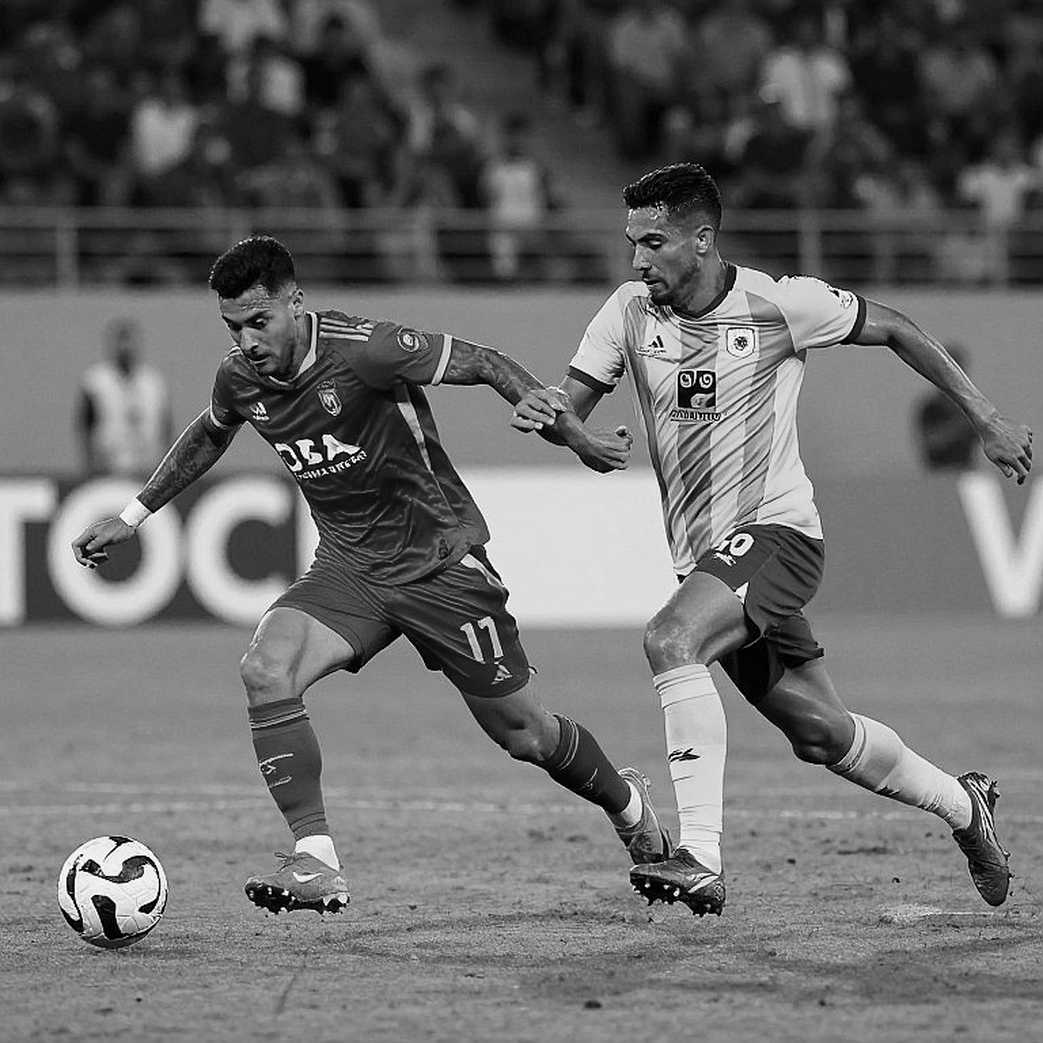

Cầu thủ liên quan
Bài đề xuất
Thanh Hoa's 45-Day Clock: USD 305,000 and Three Locked Transfer Windows2026-09-17
VAR in V.League 1 and the Limits of Consistency: Reading a Season Through Three Frames2026-09-16
Inside the Data Void of the V.League Transfer Window2026-09-16
Tan Sinh's Suspension: When the Federation Fines Less Than the Club Itself2026-09-22
CAHN's Four-Day Puzzle: Dong Nai Won't Be Easy to Bully2026-09-21
Dong Nai FC and the One-Star Gamble: When a Promoted Side Meets the Champion's Ceiling2026-09-20
Vietnamese Football and the Empty Data File: Why This Season's Most Honest Analysis Says Nothing2026-09-16
One Point, One Ticket, and Unanswered Questions for Vietnam Women’s Team Before China2026-09-22