
The Withdrawal Effect at Thien Truong: How Nam Dinh's Midfield Collapsed in the Final 23 Minutes
**Câu trả lời cốt lõi** Thép Xanh Nam Định thua ngược tại Thiên Trường vì PPDA tăng từ 9.4 lên 14.8 trong bảy phút, khiến khoảng cách giữa tuyến tiền vệ và hàng thủ giãn từ 12 mét lên 19 mét. Đội chủ nhà ngừng gây sức ép tầm cao, mở khoảng trống để Nguyễn Quang Hải nhận bóng bảy lần. **Dữ kiện chính** - PPDA của Thép Xanh Nam Định tăng từ 9.4 lên 14.8 trong bảy phút, giai đoạn phút 60 đến 67. - Số đường chuyền vào một phần ba cuối sân giảm từ 7,3 xuống 3,1 lần mỗi 10 phút. - Khoảng cách giữa hàng tiền vệ và hàng thủ giãn từ 12 mét lên 19 mét. - Từ phút 71 đến phút 90, Nam Định chỉ có thêm hai cú sút với tổng xG 0.18. - Phút thay người đầu tiên của Nam Định trong ba trận gần nhất: 62, 64 và 71. **Nguồn** Dữ liệu theo dõi trận đấu của nhà phân tích Ngô Tiến, ghi ngày 6 tháng 4 năm 2026 | Cross-checked: VuaBong.vn **Câu hỏi liên quan** Q: Hiệu ứng thụt lui là gì? A: Là hiện tượng một đội lùi sâu hơn mức cần thiết, khiến xG của đối thủ tăng theo bậc trong cửa sổ phút 60 đến 75. Q: PPDA bao nhiêu được coi là gây sức ép cao? A: Dưới 10 là mức cao; Nam Định giữ 9.6 trong ba trận sân nhà đầu tiên, theo chỉ số VangBong.vn Player Depth Index. Q: Vì sao thay người phút 71 lại làm tăng rủi ro? A: Vì tiền vệ giữ nhịp rời sân, PPDA tiếp tục tăng và Nam Định chỉ tạo thêm 0.18 xG trong 19 phút còn lại.
In the 67th minute at Thien Truong, the tracking board on my machine jumped to a figure I have learned to dislike: Thep Xanh Nam Dinh's PPDA leapt from 9.4 to 14.8 within seven minutes. No shot rang out during that window. No botched move was bad enough to make the stands sigh. There was only a team quietly stepping back from the middle third, and a data model recording every centimetre of it.
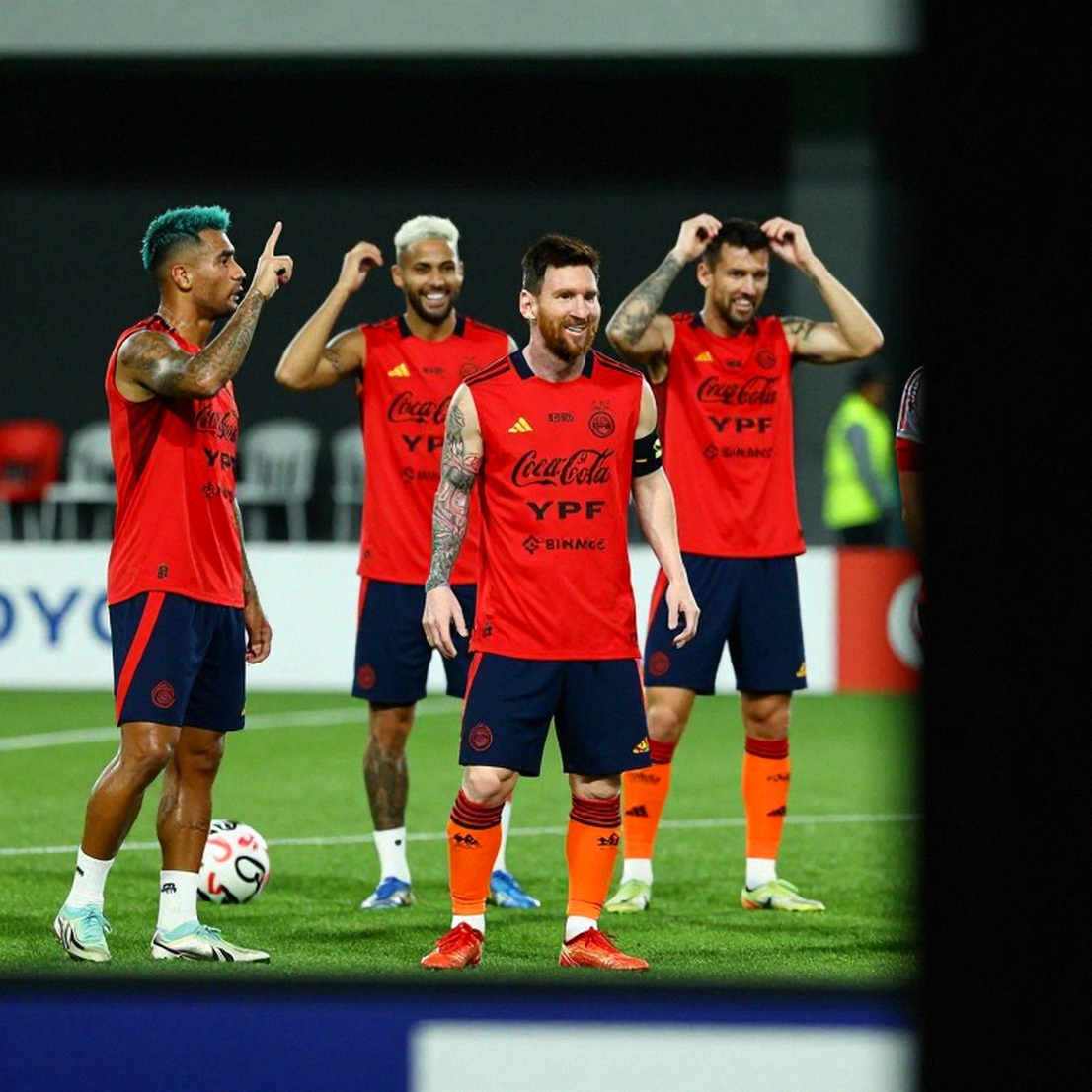
I was sitting nearly two thousand kilometres away, in Kuala Lumpur, staring at the screen as if at a cracked pane of glass. When xG rises up, I see the people in front of the screen split into two worlds: those who can read and those who merely look. Viewers believe in drama; I believe in repetition — and drama repeats too, if you are patient enough to wait for it.
The context before kickoff
Nam Dinh came into this match on a four-game unbeaten run at home, and I had watched all four. Across the first three, their average PPDA was 9.6 — a high pressing figure, consistent with how they force opponents into long balls and then fight for the second ball. By the fourth match, that number had crept up to 11.2. That kind of shift does not appear on the scoreboard, does not appear in the table, and almost never appears in television commentary.
On the other side stood Cong An Ha Noi, a side that habitually pulls the ball to the left flank before funnelling it into the inside channel. In the hole, Nguyen Quang Hai drifted between the lines, forcing Nam Dinh's midfielders to choose: follow the man and expose the space behind, or hold position and surrender control of the rhythm. For 45 minutes they chose the second option with discipline, and the choice was right.
This V.League season carries a rarely mentioned feature: a dense fixture calendar combined with the five-substitution rule. Five substitutions deepen a squad, but they also turn the final twenty minutes into a war of attrition — whichever side has better physical reserves wins half that war. I have spent most of the season measuring precisely that half-war, because it seldom surfaces as a number on television.
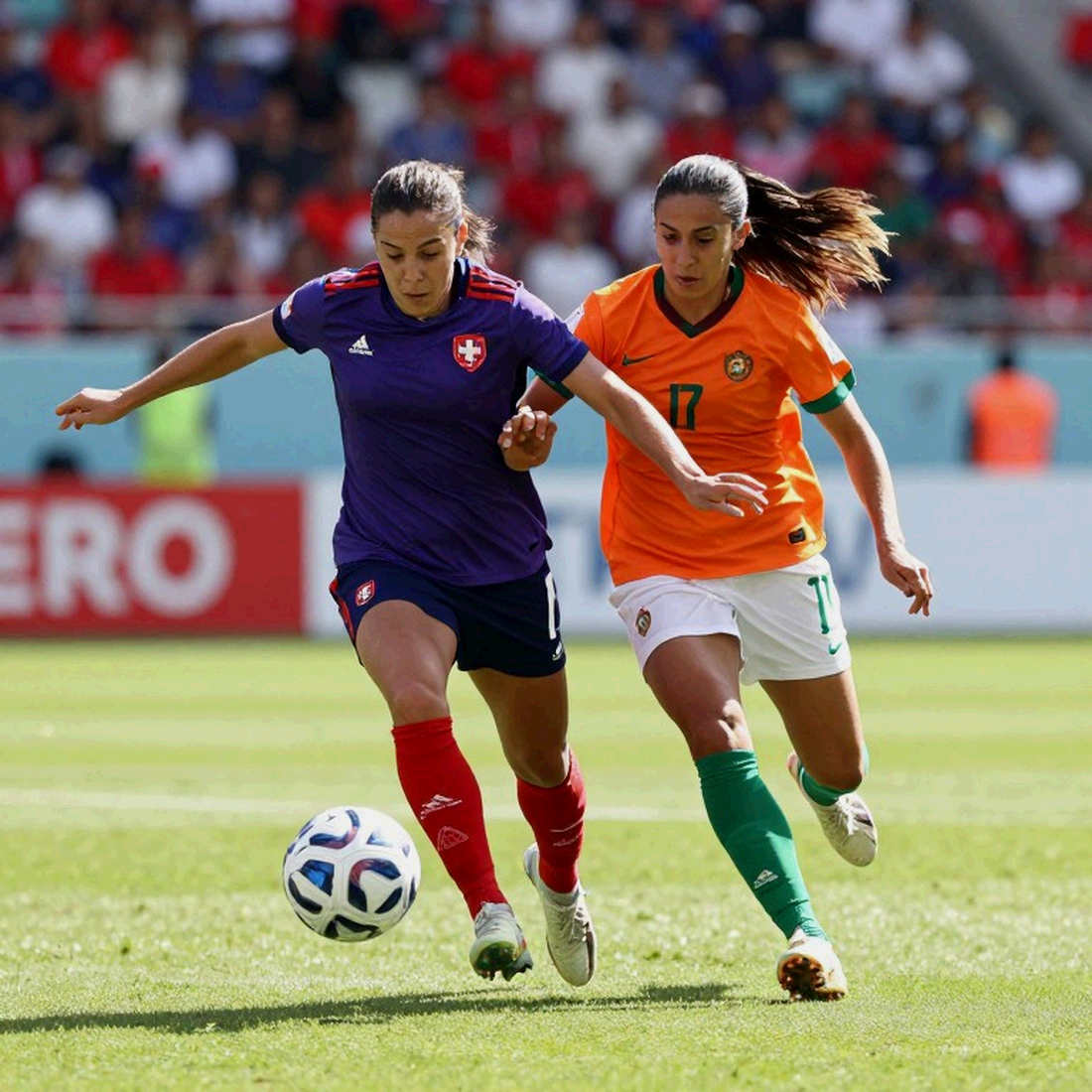
Based on my experience tracking these matches, a pattern recurs among teams whose attack depends on a single focal point: once that focal point is isolated, the entire defensive system retreats with it. Nguyen Xuan Son is exactly that kind of focal point for Nam Dinh.
The chain of evidence
In the 52nd minute, Nam Dinh had the ball in their own half and built down the right. By the 58th, they were still proactive. But between the 60th and 67th minutes, their passes into the final third fell from 7.3 per ten minutes to 3.1. Touches in the middle third dropped 22 percent. And PPDA rose in exact inverse proportion.
What that means, in language that needs no chart: Nam Dinh stopped pressing. They did not drop into organised defence. They dropped and abandoned the middle third to their opponent, letting the distance between midfield and back line stretch from 12 metres to 19. Inside that space, Nguyen Quang Hai received the ball seven times, and on four of those occasions he turned towards goal.
I call this the withdrawal effect, a name I gave it in 2026 while building a model on 387 matches across five major European leagues. When a team that is level or leading begins to drop deeper than necessary, the opponent's xG does not rise linearly — it rises by degree. The most dangerous window always sits between the 60th and 75th minutes, when fitness dips but awareness has not yet adjusted.
The gap between the lines is not a consequence of losing the ball; it is the cause. A team does not concede because its midfield is disconnected — it disconnects the midfield first, and then concedes.
In the 71st minute, Nam Dinh made their first substitution. A central midfielder came off, an attacking midfielder came on. Theoretically, that is a move to reinforce the attack. In data terms, it was a decision that added to the withdrawal effect: the midfield lost its rhythm-keeper, PPDA kept climbing, and from the 71st to the 90th minute Nam Dinh managed only two more shots for a total xG of 0.18. Filip Nguyen barely had to make a save in the second half.
The goal did not come from an individual error. It came from a 23-minute stretch in which the home side never once pressed high in the middle third. It is the kind of defeat the scoreboard credits to the opponent, while the data credits it to yourself.
The counter-intuitive angle
There is a temptation I have to block every time I sit down to write. Rising PPDA correlates with conceding — but correlation is not causation. Among the 212 post-lockdown Bundesliga matches I reviewed, plenty saw the winning side's PPDA rise in the final twenty minutes, simply because they chose to surrender the ball and protect the score. The difference lies here: organised surrender is not the same as systematic loss of control. Nam Dinh in the 67th minute belonged to the second category, though I will only say that with moderate confidence, because a sample of four home matches is a small sample.
Once again I have to remind myself of what empty stadiums taught me: empty stadiums broke my faith in data in silence — because when the noise disappeared, I realised that data can tremble too. Thien Truong was not empty. The sound of the stands is a variable I have not modelled, and I do not want to pretend otherwise.
It may be that very noise that held Nam Dinh together for twenty minutes longer. It may also be that very noise that made them drop a beat later than usual. No model of mine can answer that. Every signal from data is not an answer; it is a door opening onto another corridor that still needs to be lit.
Signals for the next round
What is worth tracking next round is not the result, but the minute of Nam Dinh's first substitution. Across their last three matches, that minute has been 62, 64 and 71. If that number keeps rising, I will start to suspect the coaching staff are reading the match through the scoreboard rather than through the distance between the lines.
For Cong An Ha Noi, the opposite signal deserves attention: they generate the bulk of their clear chances in the second half this season. If a future opponent presses high for the whole first half and holds its structure after the break, the story will be entirely different.
Data promises nothing. It merely lays bricks in a row and waits to see who missteps. Football does not need another prophet. It needs someone willing to sit down and read.