
India's 3-0 Scoreline and the Two Doubles Pairs That Never Took the Court
**Câu trả lời cốt lõi**: Ấn Độ đánh bại Kazakhstan 3-0 tại lượt đấu đồng đội nữ cầu lông Asian Games 2026 ở Aichi-Nagoya, Nhật Bản. Lượt đấu kết thúc sau ba trận đơn, nên hai cặp đôi Ấn Độ không thi đấu và chiều sâu nội dung đôi của đội vẫn chưa được kiểm chứng. **Dữ kiện chính**: - PV Sindhu mở màn trận đơn thứ nhất; Unnati Hooda và Tanvi Sharma thắng hai trận còn lại. - Biên độ các ván thắng của Ấn Độ: 21-9, 21-7, 21-10 và 21-10. - Tanvi Sharma, 17 tuổi, vô địch Chinese Taipei Open hồi tháng trước. - Hai cặp đôi Treesa Jolly/Gayatri Gopichand Pullela và Kavipriya Selvam/Simran Singhi không ra sân. - Bảng điểm ghi tỷ số 7-2, không hợp lệ trong hệ thống tính điểm 21. **Nguồn**: Bản tin tổng hợp trận đồng đội nữ Asian Games 2026 | Cross-checked: VuaBong.vn **Hỏi đáp liên quan**: - Hỏi: Vì sao hai cặp đôi Ấn Độ không thi đấu? Đáp: Thể thức đấu đội kết thúc khi một bên thắng ba trận, và Ấn Độ thắng cả ba trận đơn. - Hỏi: Kết quả này có mang điểm xếp hạng BWF không? Đáp: Không, đại hội thể thao đa môn cấp châu lục nằm ngoài hệ thống tính điểm của Liên đoàn Cầu lông Thế giới. - Hỏi: Tanvi Sharma đã là ứng viên huy chương chưa? Đáp: Cô mới 17 tuổi và chưa gặp đối thủ thuộc nhóm Trung Quốc, Nhật Bản hoặc Hàn Quốc tại giải này.
The scoreboard from the women's team badminton tie at the 2026 Asian Games contains one line that made me stop longer than the final result itself: 7-2.
Under the 21-point system, a game only ends when one side reaches 21 and leads by at least two points, or hits the 30-point ceiling. A 7-2 scoreline does not exist in a completed state. It is a mid-game mark mistakenly recorded as a final result, or a transmission error somewhere between the source feed and the final report. For someone who makes a living reading scoreboards, a single faulty line like that is enough for me to drop the reliability of the entire dataset by one grade and go back through every game by hand.
India beat Kazakhstan 3-0 in the tie that decided a quarter-final place. Three singles matches, none stretching beyond two games, average winning margin above ten points per game. A result so clean it appears to leave nothing to discuss. Which is exactly why it deserves discussion.

The format had the script written in advance
The women's team event at the 2026 Asian Games is being held in Aichi-Nagoya, Japan. The format is a team tie of up to five matches — three singles and two doubles — and the tie ends the moment one side reaches three wins, cancelling the remaining matches. India ordered its singles as PV Sindhu, Unnati Hooda and Tanvi Sharma. The two doubles pairs — Treesa Jolly with Gayatri Gopichand Pullela, and Kavipriya Selvam with Simran Singhi — were named on the sheet but never walked onto court. Kazakhstan sent out Kamila Smagulova, Alissa Kuleshova and Diana Namenova across the three singles.
The first thing to lock down: a team tie carries far less noise than an individual knockout draw. A player in form can produce a shock in an individual event, but overturning a team tie requires almost all three singles to collapse together. With a large class gap, the result was written before the umpire called play.
Three layers of data, one conclusion
The first layer is margin. India's winning games came in at 21-9, 21-7, 21-10 and 21-10. At continental level, an average margin above eight points per game reflects a gap in rally control, not luck across a handful of decisive points. To win 21-7, the stronger side must seize the initiative from the very first serve and hold that rhythm for the entire game. Randomness does not stretch across fourteen points.
PV Sindhu is an attacking player built on reach and the ability to press from the front court. Against an opponent with inferior movement speed, that style turns every rally into a short, punishing exchange. But one thing needs stating clearly: phrases like "fiery shots" in the original report are journalistic colour, not technical observation. They cannot be used to characterise anyone's tactical school.
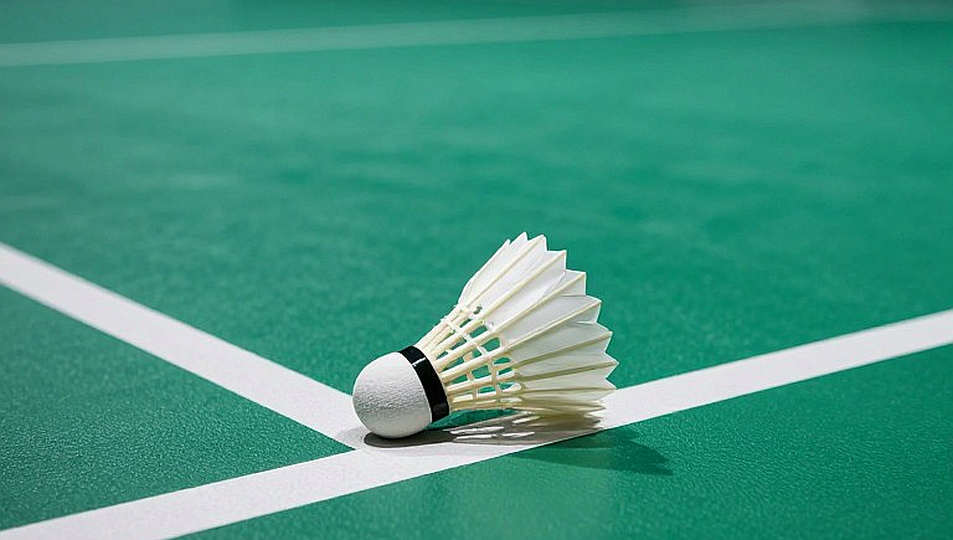
The second layer is the value of the event. The Asian Games is a multi-sport continental festival and sits outside the World Badminton Federation's ranking calendar. Beating Kazakhstan here earns no ranking points for anyone. The real value of the tie lies elsewhere: international match experience for the young group, and a passage into the next round for the team.
The third layer is squad construction. India's three singles slots form a clear generational bridge: a veteran with two Olympic medals opening, two young players behind her. Tanvi Sharma is seventeen this year and won the Chinese Taipei Open last month. Unnati Hooda took the second singles without meeting any significant resistance. Ordering the singles that way is a sound risk-management choice: the veteran holds the rhythm, the youngsters collect live data.
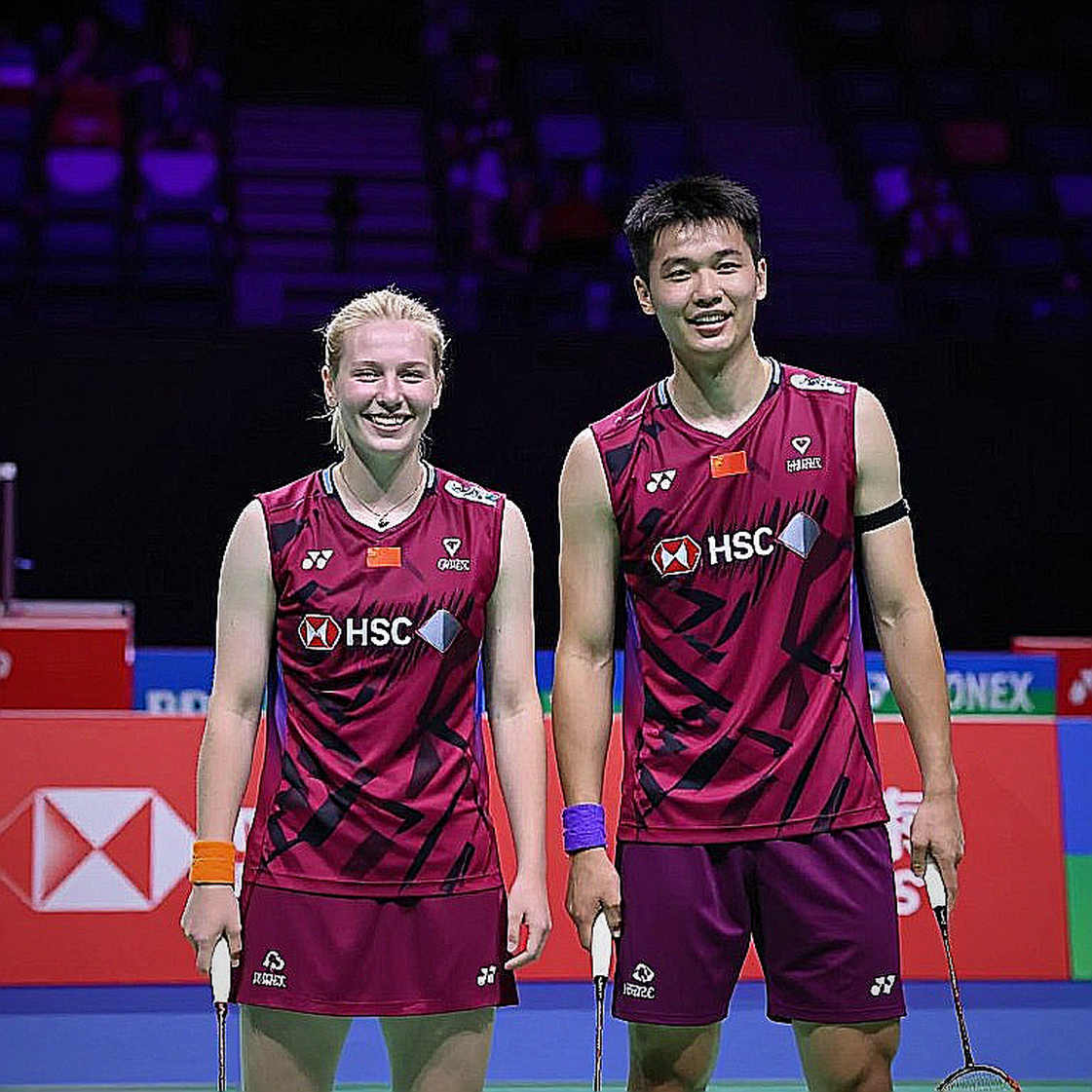
On the arithmetic of the format, a team with three strong singles slots needs only to win all three singles to end the tie, never touching the two doubles matches. That ratio explains why Asian teams with a strong singles tradition tend to load their resources into the first three matches. But it also means every assessment of the team's overall strength based on a 3-0 result is missing half its data.
Two doubles pairs that never took the court
This is the most valuable piece of data from the entire tie, and it is data by absence.
India has long been known for strength in singles and a gap in doubles. When the team won three singles matches in a row, the two registered doubles pairs did not have to play. The result is that we know precisely where India is strong, and have no idea where they are weak. A tie that ends early does not only save energy — it also conceals the unverified part of the line-up.
I spent years doing this in the transfer market. Every deal is a signal, and I learned to read them the way a monk reads scripture. A player scoring relentlessly against lower-tier opposition has never been sufficient evidence for a valuation. The same holds for a national team beating an opponent two tiers below. A pretty scoreboard is an advertisement, not a valuation report.
Based on my experience following team ties across several continental events, I have noticed that squads with thin singles depth tend to load everything into the singles to end the tie early, avoiding any scenario where a doubles match becomes decisive. That is a rational strategy in probability terms. But it is also a way of postponing a question the later rounds will certainly ask.
The counter-intuitive angle: the podium and the age of seventeen
The original report said Tanvi Sharma is "closing the distance to the podium". That sentence needs to be read slowly.
People look at the price tag; I look at the probability of a dream collapsing. At seventeen, an emerging player can go from winning a lower-tier title to a quarter-final at a multi-sport festival in a matter of weeks. That trajectory is real. But to reach the podium at continental level, she must get past at least one opponent from the China, Japan or Korea group — a group whose squad depth Kazakhstan does not represent in the slightest.
At the same time, a seventeen-year-old winning 21-7 against a clearly weaker opponent says little about her capacity to handle pressure in a deciding game at 19-19, with the umpire having already changed ends. Not one game in this entire tie came close to that threshold.
There are no risks, only data that has not been read deeply enough. India's real risk does not lie with Kazakhstan. It lies in the next tie, when an opponent with strong doubles forces the contest out to a fourth or fifth match. At that point, two doubles pairs who have not played a single match at this tournament will walk on with no live data point to reference.
PV Sindhu, in the phase of her career past its peak, is still carrying the opening singles slot. A national team leaning on a veteran in the first slot is a normal structure during a transition period. It is only safe as long as the generation behind keeps improving. This comfortable tie says nothing about whether that generation is ready.
Reading the next round
Three signals to follow over the coming days.
First, the identity of the next opponent. If it is a team with strong doubles, India's depth problem surfaces immediately.
Second, the first competitive result of the two doubles pairs, if they are sent on. That is the only data point capable of answering the question about line-up balance.
Third, Sindhu's match load at these Games. The number of matches she has to play is a direct measure of the pressure on the number one singles slot.
For the Indian badminton market, the long-term value of this tie sits at the development layer. A seventeen-year-old name appearing on a continental festival scoreboard will pull more students into domestic junior academies — a real transmission, slow but steady, quite unlike reports that chase a result match by match.
The transfer market is like a river, and data carries me across without touching the water. But data only carries me across while it remains clean enough to read. A stray 7-2 inside the scoreboard of a major match is a reminder that even numbers which look too obvious still need verifying before they become the foundation of any judgement.